Little Romeo Valentine Tee SVG: A Designer's Stitch Review
As someone who spends more time staring at stitch maps than most people spend on their phones, I approach every new digital embroidery file with a mix of excitement and skepticism. We've all been there: you download a cute graphic, load it into your software, and realize the density is going to turn your fabric into cardboard. That is why I took a close look at the Little Romeo Valentine Tee SVG Design before committing it to a client project. This isn't just about whether it looks good on a screen; it is about how it performs under the needle when you are trying to build a reputation for quality.
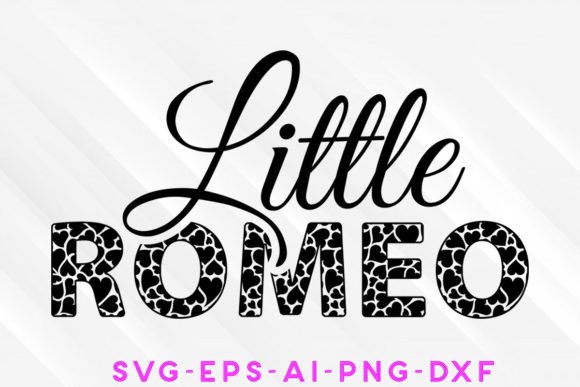
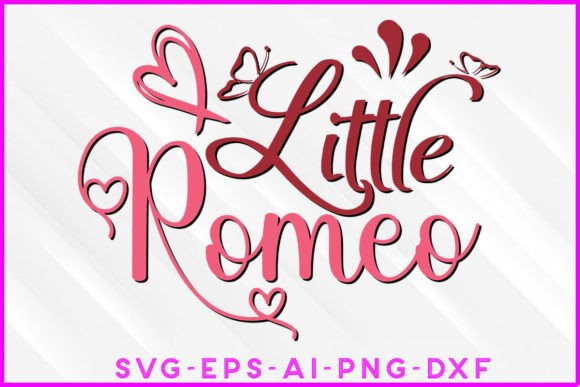
The first impression of this design is undeniably charming. It carries a specific "groovy" retro vibe that feels very current in the world of crafts and graphics. The lines are bold, which immediately signals to me that this is intended for impact rather than intricate detail work. When I visualized this as a machine embroidery design, my mind went straight to applications where readability is key. The playful curvature of the text and the central motif suggest a design that wants to be seen from across the room, making it perfect for statement pieces rather than subtle accents.
Real-World Application: The Boutique Sweatshirt Test
To truly evaluate the Little Romeo Valentine Tee SVG Design, I imagined a specific real-life scenario that many Etsy sellers and small shop product creators face daily: a last-minute order for a personalized Valentine's Day gift. Picture a customer requesting a custom sweatshirt embroidery for their partner. They want something fun, not overly sappy, but clearly themed.
In this context, the design shines. If I were stitching this onto a mid-weight cotton blend fleece, the bold shapes would translate beautifully into fill stitch areas. The retro aesthetic pairs exceptionally well with heather grey or cream-colored garments, allowing the thread colors to pop without needing excessive shading. For a handmade product like this, the visual personality of the design does a lot of the heavy lifting. It tells a story of fun and affection without being cliché. However, because the original asset is marketed heavily for print (T-shirts, mugs, stickers), translating it to thread requires a keen eye for conversion.
If you are using this as a base for an embroidery project, you must consider how the "groovy" curves will handle digitization. Sharp corners in vector graphics often need to be softened in embroidery to prevent thread breaks and ensure smooth coverage. The layout suggests it would work wonderfully as a chest logo on a hoodie or a large back print on a tote. For a tote bag design, the durability of the stitches becomes paramount. A design with solid blocks of color, like this one appears to have, holds up better to friction and washing than designs relying on fine running stitches.
Navigating Fabric Textures and Hoop Limitations
While the potential is high, there are practical constraints to consider. One of the biggest challenges with retro-style graphics is maintaining clarity on textured fabrics. If you attempt this on a waffle knit or a highly textured towel, the finer details of the lettering might get lost. In those cases, I would recommend increasing the size of the design or simplifying the internal details. Fabric texture can be the enemy of crisp satin stitch outlines if the underlying material is too uneven.
Furthermore, we need to talk about hoop size. Depending on how the design is scaled, it might require a large hoop, especially if you intend to use it on a blanket or a full-back jacket design. Always check the dimensions before hooping up your expensive velvet or silk. Speaking of delicate fabrics, caution is advised. The stitch density required to make those bold retro shapes look solid could cause puckering on thin materials. If you are aiming for baby embroidery on a onesie, you might need to reduce the density significantly or opt for an applique design approach instead of direct stitching. Using a cutaway stabilizer would be non-negotiable here to maintain the shape after multiple washes.
Curved surfaces present another hurdle. While the description mentions caps and hats, applying a design with horizontal text elements to a curved cap front can be tricky. The distortion might make the text look arched in an unintended way. For custom apparel like hats, I would suggest testing a mockup first or adjusting the pull compensation in your digitizing software to ensure the final finished product looks professional.
Commercial Viability and Brand Consistency
For creative entrepreneurs and commercial embroidery professionals, the value of a design lies in its versatility and the trust it builds with customers. The Little Romeo Valentine Tee SVG Design has strong "giftability." It fits perfectly into the niche of holiday gifts that feel personal but are quick to produce. When a customer receives a garment with clean, well-executed stitching, it reinforces their trust in your brand. Conversely, if the design is too dense and creates a stiff patch on a soft shirt, it detracts from the perceived value.
Using this design for printable mockup previews can also boost buyer engagement on platforms like Etsy. The retro style is highly Instagrammable, which helps in marketing your design assets or finished goods. However, consistency is key. If your boutique specializes in delicate, floral machine embroidery, this bold, groovy style might clash with your existing brand identity. Ensure that adding this to your catalog aligns with the overall aesthetic you are cultivating.
Critical Designer Notes for Success
Before you start stitching or selling, here are my practical recommendations for working with this specific graphic:
- Test on Scrap First: Never run a new design on a client's garment without testing it on a similar scrap piece of fabric. Check for puckering and registration issues.
- Check Thread Contrast: Since this is a retro design, high contrast between the thread colors and the fabric is essential. Test it in black and white mockups to ensure the shapes remain distinct even without color.
- Review Stitch Density: If you are digitizing this yourself from the SVG, be mindful of underlay stitches. Too much density will make the fabric stiff; too little will show the background fabric through the fill.
- Verify Licensing: The product description mentions it is for printing on various items. Before selling finished embroidered items or digital embroidery files derived from this, confirm the license terms. Some SVG licenses cover print-on-demand but restrict commercial embroidery sales.
- Inspect Small Details: Look closely at the tiny lettering or connecting points in the design. These are often the first places to break or fray. You may need to manually adjust tie-ins and tie-offs.
- Stabilizer Selection: Match your stabilizer to the fabric, not just the design. For stretchy sweatshirts, a sturdy cutaway is usually safer than a tear-away to prevent distortion over time.
In conclusion, the Little Romeo Valentine Tee SVG Design offers a fantastic foundation for festive, retro-inspired projects. It captures a mood that resonates well with modern buyers looking for unique personalized gifts. However, its success relies entirely on the execution. By respecting the limitations of the medium, choosing the right fabrics, and paying attention to the technical aspects of embroidery file preparation, you can transform a simple graphic into a high-quality small business merchandise staple. Whether it ends up on a kitchen towel, a trendy tote, or a cozy jumper, the difference between a good product and a great one is always in the details of the stitch.