Coffee is My Valentine: A Designer's Embroidery Review
As a designer who spends more time staring at stitch simulations than actual coffee sometimes, I approach every new machine embroidery design with a critical eye. It is not enough for a file to look cute on a screen; it must translate beautifully onto fabric, withstand the tension of the hoop, and deliver a finished product that feels professional. Recently, I evaluated the Coffee is My Valentine T-Shirt SVG to see if it holds up under the needle for real-world craft business applications. While this asset originates in the Graphics category, its potential for conversion into a stitched masterpiece depends entirely on how we handle the details.
First Impressions and Visual Personality
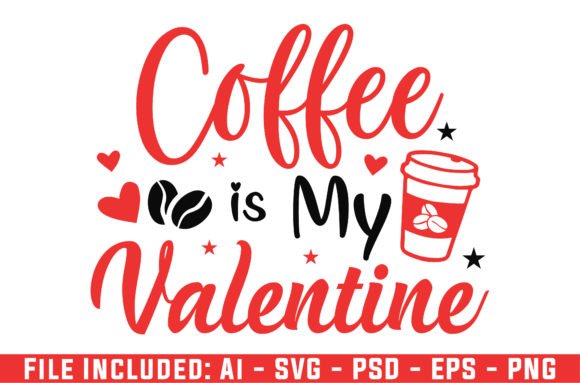
The moment I opened the file, the mood was immediately clear: cozy, playful, and perfectly timed for the mid-February rush. The layout balances the typography with the iconic coffee cup motif in a way that feels intentional rather than cluttered. For those of us working in Crafts, visual balance is everything. If the elements are too close, the stitches will merge into a blob; too far apart, and the design loses its impact. This particular composition offers a solid foundation for a handmade product that speaks to the "coffee lover" demographic without screaming generic holiday cliché.
The visual personality suggests warmth. It is the kind of graphic that works exceptionally well for a personalized gift or a small batch run for a boutique cafe. However, as an Etsy seller or apparel decorator, you must remember that what looks sharp as a vector on a monitor behaves differently when rendered in thread. The curves of the cup and the flow of the lettering need to be scrutinized for potential stitching issues before you commit to a final production run.
Real-World Application Scenarios
To truly test the viability of this design, I imagined a specific client scenario: a local coffee shop owner wanting custom sweatshirt embroidery for their baristas and a limited run of merchandise for Valentine's Day. In this context, the Coffee is My Valentine T-Shirt SVG shines as a branding tool. When digitized correctly, this design would look fantastic on a heavyweight cotton blend sweatshirt. The texture of the fleece provides a nice backdrop for the stitches, adding depth to the finished product.
Beyond apparel, consider the versatility for home goods. A tote bag design featuring this motif would be a hit at a spring craft fair. Canvas or twill fabrics offer the stability needed for clean stitching, ensuring the text remains legible. I also see strong potential for baby embroidery projects, perhaps scaled down for a onesie that says "Little Love" with a tiny coffee cup, though scaling requires careful attention to detail loss. For a quick win, applying this to a kitchen towel or apron creates an instant holiday embroidery item that feels useful rather than decorative dust-collectors.
If you are a digital product seller, this asset serves as an excellent base for creating printable mockup previews. Showing your customers how this graphic looks on various garments can increase buyer engagement and trust, proving that you understand the end-use of your design assets.
Technical Considerations for Stitching
Here is where the rubber meets the road. Since this is sold primarily as an SVG for printing and cutting, using it for commercial embroidery requires a high-quality digitization process. You cannot simply import an SVG into your embroidery software and expect magic. The transition from vector paths to stitch types—whether satin stitch for the text or fill stitch for the cup interior—must be managed by a skilled digitizer.
One major area of concern is stitch density. If the coffee cup is filled too densely, it will become stiff and may pucker the fabric, especially on stretchy materials like t-shirt jersey. Conversely, if the density is too low, the fabric underneath might show through, ruining the color contrast. For the lettering, a narrow satin column might be tempting, but on smaller hoop sizes or curved surfaces like caps, this can lead to thread breaks and poor coverage. I strongly advise testing the design on scrap fabric first. Check how the thread colors interact with the background; a dark brown thread on a black sweatshirt will vanish, while a cream thread on a navy shirt will pop beautifully.
Fabric texture plays a huge role here. On textured fabrics like waffle knit or Terry cloth, fine details in the SVG might get lost. In these cases, simplifying the design or increasing the stitch length can help maintain clarity. Furthermore, always use the proper stabilizer. For a custom apparel project involving stretchy knits, a cut-away stabilizer is non-negotiable to prevent distortion after washing. For woven items like tote bags or pillow covers, a tear-away might suffice, but test it to ensure the edges don't fray.
Navigating Limitations and Fabric Choices
While the design is charming, it is not universal. There are specific situations where you should proceed with caution. Small hoop sizes often force designers to shrink graphics, which can turn delicate lettering into an unreadable mess. If you are attempting this on a child's cap or a small pocket, verify that the smallest elements remain distinct. Curved surfaces, such as the front of a baseball cap, introduce another layer of complexity. The distortion inherent in cap framing can warp the circular shape of the coffee cup, making it look oval or tilted unless compensated for during digitizing.
Dark fabrics present another challenge. If the original SVG relies on transparency or light colors, you may need to add an underlay or a backing patch to ensure the colors appear vibrant. An embroidered patch approach could be a clever workaround here: stitch the design onto a separate piece of fabric with a merrowed edge, then applique it onto the dark garment. This adds a tactile, premium feel to the small shop product and solves the visibility issue.
Additionally, consider the longevity of the item. Products that need frequent washing, like kitchen towels or daily-wear tees, require robust stitching. Avoid long runs of running stitch for outlines if durability is a priority, as these can snag easily. Instead, opt for tighter satin borders or reinforced fill patterns.
Final Verdict for Craft Entrepreneurs
The Coffee is My Valentine T-Shirt SVG is a versatile asset with strong commercial potential, provided it is treated with the respect a professional embroidery project demands. It captures a specific seasonal mood that resonates with a wide audience, from caffeine-addicted students to romantic couples. However, its success lies in the execution. Do not assume the file is ready-to-stitch out of the box. Verify the license terms regarding commercial embroidery use, as some graphic licenses differ from embroidery rights.
Before listing this as a digital embroidery file or selling finished goods, perform rigorous testing. Compare light and dark fabric backgrounds. Inspect small details under magnification. Ensure that the hoop size you plan to use accommodates the design without crowding. By taking these practical steps, you transform a simple graphic into a high-value item that builds customer trust and enhances your brand consistency. Whether you are creating a one-off gift or a full inventory for your online store, this design offers a solid starting point for creative entrepreneurship in the Crafts sector.