Surfing Svg Review: A Designer's Take on Coastal Stitching
When I first pulled up the Surfing Svg file on my workstation, I wasn't just looking at a digital graphic; I was visualizing the final texture on fabric. As someone who spends hours digitizing and stitching for clients, my immediate reaction to any new design asset is practical: "How will this translate from screen to thread?" This particular file, categorized under Crafts and Graphics, offers a clean, coastal vibe that feels ready for the summer season, but it requires a thoughtful approach to ensure the finished product meets professional standards.
First Impressions and Visual Personality
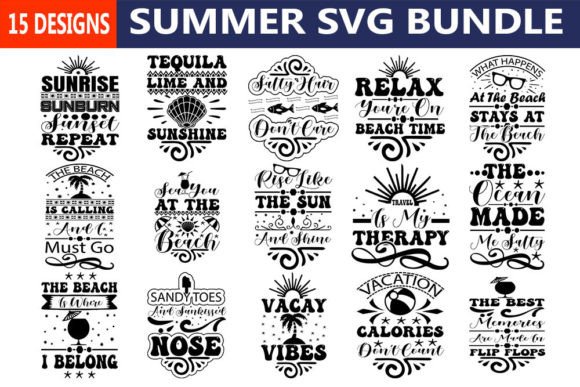
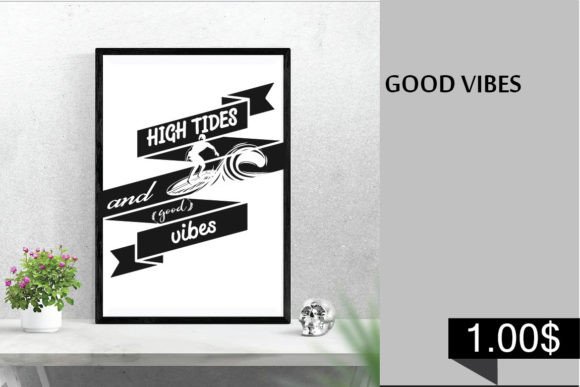
The mood of the Surfing Svg is undeniably relaxed and energetic. The lines appear crisp in the vector preview, suggesting a design that balances simplicity with enough character to stand out on a garment. For embroidery designers, the shape and layout are critical. This design doesn't seem overly cluttered, which is a massive plus. Overly complex graphics often turn into a muddy mess of thread when stitched out, especially on textured fabrics. Here, the visual personality suggests a modern, boutique aesthetic rather than a vintage or overly ornate style. It feels like something that would sit perfectly on a high-quality cotton tote or a soft fleece sweatshirt, appealing to customers who love beach life without wanting anything too kitschy.
Real-World Application: The Custom Tote Scenario
To truly evaluate this machine embroidery design, I imagined a specific real-life scenario: a local surf shop owner needing a batch of custom tote bags for an upcoming beach cleanup event. They want something durable, washable, and instantly recognizable. Using the Surfing Svg here makes sense. The design's open areas would allow the canvas texture of the tote to peek through slightly, adding depth to the handmade product.
If I were stitching this for a client, I'd likely pair it with vibrant thread colors—maybe a deep ocean blue contrasted with a bright coral or sunny yellow. The simplicity of the graphic means it won't get lost against the natural weave of the bag. Furthermore, because this is intended for a craft business or small shop product, the design needs to look consistent across multiple units. The clean lines of the SVG suggest that once the digitizing settings are locked in, the repeatability for a production run would be high, ensuring every finished product looks uniform and professional.
Versatility Across Products
Beyond tote bags, the versatility of this embroidery file is one of its strongest assets. The description notes its suitability for home decor, clothing, tumblers, and party items. From an embroiderer's perspective, this translates well to several specific applications:
- Custom Apparel: On a t-shirt or hoodie, this design works as a chest logo or a larger back print. The flow of the surfing theme fits naturally on the curved surface of a sleeve or the flat expanse of a back panel.
- Baby Embroidery: For a nursery setting or baby onesie, the playful nature of the surf theme is perfect. However, scale is key here. You would need to resize the graphic significantly, ensuring the details don't become too tight for small hoops.
- Home Decor: Imagine this stitched onto a pillow cover or a kitchen towel. The graphic adds a pop of personality to neutral home goods, making it an excellent choice for holiday gifts or housewarming presents.
- Patches and Aprons: The bold outlines suggest it could be adapted into an embroidered patch or used to decorate a work apron for a beachside cafe employee.
Technical Considerations for Stitching
While the Surfing Svg looks promising on screen, successful execution depends on how you handle the technical side of embroidery. Since this is a vector graphic provided in formats like SVG, DXF, EPS, PNG, and AI, it is not a pre-digitized stitch file. This is a crucial distinction. You cannot load an SVG directly into most embroidery machines and expect perfect results. You must digitize it or have it converted into a proper embroidery project file compatible with your machine.
When preparing this design, pay close attention to stitch density. If the original graphic has very thin lines, attempting to fill them with a standard satin stitch might result in breakage or poor coverage. You may need to adjust the column width or switch to a running stitch for finer details. Additionally, consider the fabric texture. On stretchy fabrics like jersey knits, a dense fill stitch can cause puckering. In these cases, using a high-quality cutaway stabilizer is non-negotiable to maintain the shape of the design after washing.
For those planning to use this on dark fabric, remember that the digital preview shows transparency. You will need to manually add a underlay or background fill in your digitizing software to ensure the thread colors pop against the material. Testing the design in black and white mockups before committing to thread can also help you gauge the contrast and clarity of the shapes.
Business Value and Customer Trust
For Etsy sellers and creative entrepreneurs, the quality of your design assets directly impacts your brand consistency. Using a well-structured graphic like Surfing Svg allows you to create cohesive collections. Whether you are selling custom apparel, printable mockups, or physical goods, the professionalism of the final stitch builds customer trust. A clean, well-executed embroidery job signals quality, encouraging repeat buyers and positive reviews.
However, always verify the licensing terms before using these graphics for commercial embroidery projects. While the file includes multiple formats suitable for various crafting needs, ensuring you have the right to sell finished items or digital derivatives is essential for protecting your small business. Check the specific license included with the download to confirm you can use it for small shop products and merchandise.
Final Verdict for Makers
The Surfing Svg is a solid addition to any designer's library, particularly for those focusing on lifestyle, beach, or active-wear themes. Its strength lies in its adaptability and clean aesthetic. However, its success relies entirely on the skill of the person translating it into stitches.
My advice? Start by testing the design on scrap fabric that matches your intended final material. Check your hoop size constraints, especially if you are working on caps or small accessories where space is limited. Inspect the small details closely; if certain corners look too sharp in the preview, round them off slightly in your software to prevent thread bunching. By treating this graphic as a foundation rather than a final solution, you can create stunning, durable, and highly sellable items that capture the spirit of the coast.