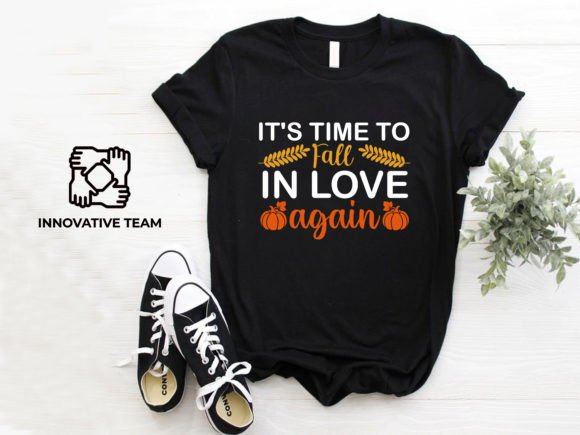
Reviewing the Fall SVG T-Shirt Design for Real Embroidery
As a designer who spends more time staring at stitch maps than most people spend watching television, I approach every new digital embroidery file with a mix of excitement and skepticism. We all know the feeling: you see a cute graphic online, buy it instantly, and then realize halfway through stitching that the density is wrong or the details are too tiny for the hoop. That is why I decided to take a close, practical look at the Fall SVG T-Shirt Design before committing it to a client project. This isn't just about whether it looks good on a screen; it is about how it performs as a machine embroidery design on actual fabric.
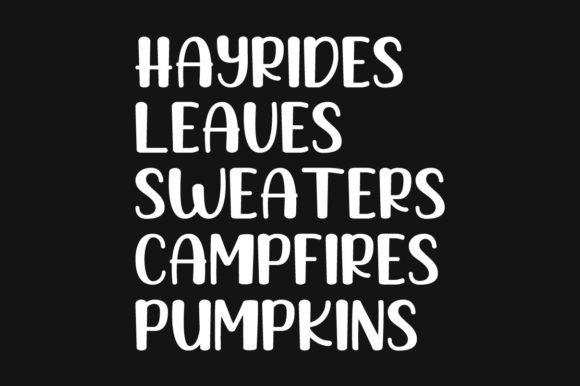
My first impression of this design is that it captures the cozy, nostalgic mood of the season perfectly. The layout feels balanced, with a visual personality that screams "autumn boutique" without being overly cluttered. For those of us running a craft business or selling on Etsy, visual appeal is everything. When a customer scrolls past hundreds of listings, the design needs to pop. This graphic has strong lines and a clear theme that translates well from a printable mockup to a physical finished product. However, seeing it as an SVG intended for print gives me pause regarding its direct application to embroidery. SVGs are vector graphics, wonderful for cutting machines and printing, but they require careful conversion and digitizing analysis before they become a reliable embroidery file.
Real-World Application: The Custom Sweatshirt Test
To truly evaluate this asset, I imagined a specific real-life scenario: a custom order for a local coffee shop looking for branded sweatshirt embroidery for their staff ahead of the harvest season. They wanted something warm and inviting but durable enough for daily wear and frequent washing. If I were to adapt this Fall SVG T-Shirt Design for that purpose, the first thing I would assess is the stitch density. Graphics designed for printing often have large solid areas of color. In embroidery, filling these areas requires a careful balance of fill stitch patterns to prevent the fabric from puckering or becoming stiff like cardboard.
If the design includes fine lines or text, I would be looking at how those translate into satin stitch or running stitch. Tiny lettering is the enemy of durability. If this design features small words common in fall themes, I would advise expanding them or simplifying the font before digitizing. For a tote bag design, the stakes are slightly lower regarding stretch, but for a fitted hoodie or a baby embroidery project on a soft onesie, the flexibility of the stitches is critical. A design that looks crisp on a print Sweater mockup might pull and distort on a knit fabric if the underlay and stabilizer aren't chosen correctly.
Navigating Fabric Textures and Hoop Constraints
One of the biggest challenges with adapting print-ready graphics like this into embroidery is the limitation of the hoop size. Many home embroidery machines have a maximum hoop of 5x7 inches. If the Fall SVG T-Shirt Design is intricate and sprawling, it might need to be split or simplified to fit within standard boundaries without losing its charm. Furthermore, the choice of fabric changes everything. On a smooth cotton tea towel, the design would likely shine with high clarity. However, on textured fabrics like a waffle-knit hoodie or a fuzzy fleece blanket, fine details can get lost.
I would exercise extreme caution if applying this to dark fabrics. Print designs often rely on transparency or subtle shading that doesn't exist in thread. You cannot "print" white ink underneath colors in embroidery the way a printer does; you have to stitch it. This means checking thread colors for contrast is vital. A muted orange leaf might disappear against a navy blue background unless there is a distinct outline or a lighter underlay. Similarly, curved surfaces like caps present a nightmare for large, flat designs. If you plan to use this for a hat, you must ensure the design is narrow enough to avoid wrapping around the curve, which causes registration errors.
Commercial Viability and Brand Consistency
For Etsy sellers and small shop product creators, consistency is key to building trust. If you offer this design as part of a holiday collection, it needs to match the quality of your other items. A poorly executed embroidery job can damage your reputation faster than a late shipment. Using the Fall SVG T-Shirt Design effectively means treating it as a foundational element, not the final step. It serves as excellent design assets for creating marketing materials, social media posts, and printable mockups to gauge customer interest before you even thread the needle.
However, when moving to production, remember that this file is categorized under Crafts and Graphics. This distinction matters. As a commercial embroidery professional, you must verify the licensing terms explicitly. Just because a file says you can use it for a Mug or Pillow in a print context does not automatically grant rights to sell the digitized embroidery version. Always read the fine print regarding personalized gift sales versus mass production. If the license allows for commercial use of the finished physical item, ensure you are not redistributing the digital file itself unless explicitly permitted.
Practical Notes for the Serious Maker
Before you commit to stitching this on a customer's garment, here is my checklist for handling a graphic-to-embroidery conversion:
- Test on Scrap First: Never skip this. Stitch the design on the exact same fabric and stabilizer combination you plan to use for the final product.
- Check Stabilizer Needs: Heavy fill areas may require cut-away stabilizer rather than tear-away to maintain shape over time.
- Inspect Small Details: Look for isolated pixels or tiny corners in the SVG that might cause thread breaks or bird-nesting.
- Contrast Check: View the design in black and white to ensure the value contrast holds up without color reliance.
- Verify Licensing: Confirm if the license covers custom apparel sales and if there are restrictions on the number of units produced.
In conclusion, the Fall SVG T-Shirt Design offers a lovely aesthetic foundation for autumn projects. Its strength lies in its versatility for holiday embroidery themes and its potential to create charming handmade products. Yet, its success depends entirely on the skill of the maker adapting it. Whether you are creating an embroidered patch, decorating a kitchen towel, or launching a new line of boutique hoodies, treat this graphic as a starting point. With the right technical adjustments, attention to fabric texture, and a keen eye for detail, this design can elevate your craft business and delight your customers with high-quality, seasonal goods.