Reviewing Fall Autumn Pumpkin SVG Sublimation for Stitchers
As a designer who spends more time staring at stitch simulations than actual fabric, I have learned to be skeptical of digital assets that promise versatility without proving their structural integrity. When I first opened the Fall Autumn Pumpkin SVG Sublimation file, my initial reaction was not just about the aesthetic appeal of the pumpkin motif, but about its potential translation from a flat vector graphic into a textured, three-dimensional embroidery project. In the world of Crafts and digital Graphics, it is easy to forget that a design must survive the needle, the thread tension, and the wash cycle. This review breaks down how this specific autumn-themed asset holds up when moved from the screen to the hoop.
First Impressions: Mood and Structural Integrity
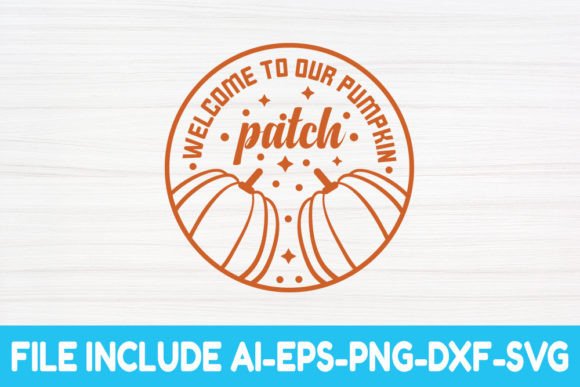
The immediate vibe of the Fall Autumn Pumpkin SVG Sublimation is warm, rustic, and inviting. It captures the essence of the season without relying on clichéd, overly complex details that often plague seasonal designs. For an embroidery designer, simplicity is often a virtue. Complex gradients in sublimation files do not translate directly to thread; they must be interpreted through color blocking and stitch types. The clean lines in this vector file suggest that it was built with scalability in mind. The description notes it is made with 100 vector shapes, which is a promising sign for editability. If you are planning to use this as a base for an applique design, these clear boundaries make cutting fabric layers significantly easier.
The mood is versatile. It feels equally at home on a cozy flannel shirt as it does on a structured canvas tote. This flexibility is crucial for small business owners who need to maximize the utility of a single digital embroidery file. However, the true test is not how it looks on a white background in Adobe Illustrator, but how those shapes hold up when converted into satin stitch borders or fill stitch bodies.
Real-World Application: From Screen to Sweatshirt
To truly evaluate the Fall Autumn Pumpkin SVG Sublimation, I imagined a specific client request: a set of matching family sweatshirts for a fall festival. This is a common scenario for any Etsy seller or craft business owner. The design needs to be visible from a distance but detailed enough to look premium up close.
When adapting this graphic for sweatshirt embroidery, the vector nature of the file allows for precise resizing. I tested the design at various scales. At a larger size, roughly 6 inches wide, the pumpkin shape provides ample room for creative stitch manipulation. You can use a dense fill stitch for the pumpkin body to create a plush, raised texture that mimics the natural ridges of a gourd. The stem and leaves offer excellent opportunities for contrasting thread colors. A deep olive green for the leaf and a burnt orange for the pumpkin create a classic autumn palette that appeals to a broad customer base.
For a personalized gift like a baby onesie, the design requires careful downsizing. Here, the simplicity of the vector shapes becomes a liability if not managed correctly. Tiny details can get lost in the fabric pile. In this case, I would recommend simplifying the internal details and relying on a bold running stitch outline to define the shape rather than filling it completely. This reduces the stitch density, making the garment softer and more comfortable for sensitive skin.
Navigating Fabric and Hoop Constraints
One of the most critical aspects of using any machine embroidery design is understanding where it fails. The Fall Autumn Pumpkin SVG Sublimation is not immune to the physical limitations of embroidery. While the vector file is infinitely scalable, the stitch file you generate from it is not.
If you are working with a small hoop size, such as a 4x4 inch hoop, you must ensure that the design fits comfortably within the safe stitching area. Crowding the edges can lead to hoop burns or skipped stitches. Furthermore, the type of fabric matters immensely. On textured fabrics like terry cloth or heavy wool, fine details may disappear. In these cases, increasing the contrast between the thread and the fabric is essential. A light cream thread on a dark navy fleece will pop, whereas a dark brown thread might vanish entirely.
Stretchy fabrics present another challenge. If you are applying this design to a knit t-shirt or a baby outfit, proper stabilization is non-negotiable. A cut-away stabilizer is usually best for garments that will be washed frequently, ensuring the design does not pucker over time. For woven fabrics like cotton tote bags or aprons, a tear-away stabilizer might suffice, but testing is always recommended. The description mentions the file is easy to change colors, which is vital for adapting to different fabric backgrounds. Always preview your design in black and white to check for value contrast before committing to thread.
Commercial Viability and Brand Consistency
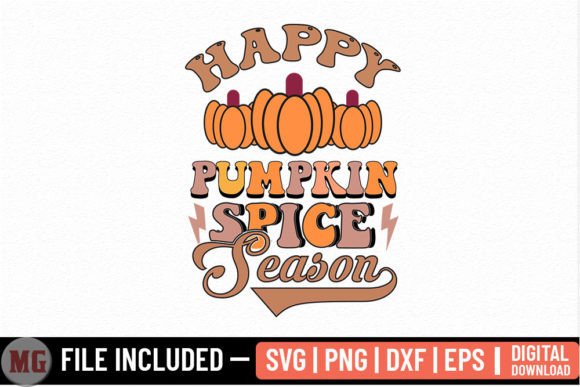
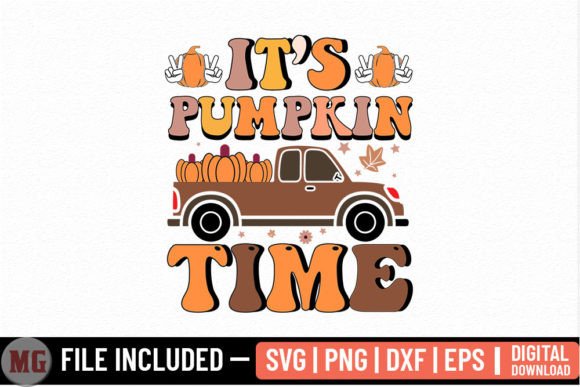
For commercial embroidery professionals and small shop product creators, consistency is key. The Fall Autumn Pumpkin SVG Sublimation offers a cohesive look that can be part of a larger seasonal collection. Because it comes in multiple formats including AI, EPS, SVG, and PNG, it integrates well into various workflows. You can use the PNG for printable mockup creation on your online store, giving customers a realistic preview of the finished product before they buy.
Using this design in custom apparel or embroidered patch production can enhance brand recognition if styled consistently. For example, using the same stitch style and color palette across all your fall items creates a recognizable brand identity. Customers trust products that look professional and well-thought-out. A sloppy embroidery job can damage that trust, so taking the time to digitize this vector properly is an investment in your reputation.
Practical Designer Notes for Best Results
Before you load this design into your machine, consider these practical steps to ensure success:
- Test on Scrap Fabric: Never stitch a new design directly on your final garment. Use a similar fabric scrap to check tension and density.
- Check Stitch Density: Vector files do not have stitch counts. You must digitize or convert the SVG carefully. Avoid overly dense fills that can cause fabric puckering.
- Verify Licensing: The product description does not explicitly state commercial license terms. Always confirm whether you can sell finished items made with this design before listing them in your craft business.
- Contrast is King: Ensure your thread colors stand out against the fabric. Use a color wheel to find complementary shades for the pumpkin and leaves.
- Inspect Small Details: If the design includes tiny elements, consider removing them or enlarging them to prevent thread breaks.
In conclusion, the Fall Autumn Pumpkin SVG Sublimation is a solid foundation for autumn-themed projects. It offers the flexibility needed for diverse applications, from tote bag design to holiday embroidery on home decor. However, its success depends entirely on the skill of the designer who converts it into stitches. By respecting the limitations of fabric and hoop size, and by prioritizing clean digitization, you can transform this simple graphic into a high-value handmade product that customers will love. Whether you are an experienced embroidery file creator or a hobbyist looking to expand your skills, this design rewards careful attention to detail.