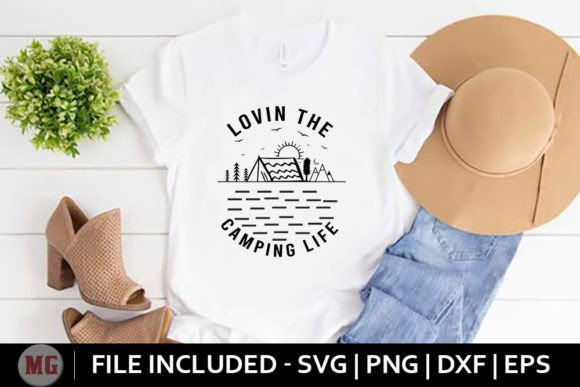
Lovin the Camping Life SVG: A Designer's Review
As a designer who spends more time hooping fabric than I do sleeping, I am always skeptical of "lifestyle" graphics until I see how they translate into thread. We have all seen those cute digital files that look perfect on a screen but turn into a tangled mess of jumps and breaks once the needle hits the fabric. That is why I took a close look at the Lovin the Camping Life - Camping Svg before committing it to any client project. This isn't just about whether the image is cute; it is about whether it holds up as a viable machine embroidery design for real-world applications.
My first impression of this digital embroidery file was its clean, rustic charm. The layout captures that specific cozy outdoor mood that sells so well in the current market. It feels less like a generic clipart dump and more like a thoughtful piece of art ready for translation. However, moving from a vector graphic in the Crafts category to a stitched finished product requires a critical eye. The lines are distinct, which is promising, but the true test lies in how those lines behave when converted into satin stitches or fill stitches on textured materials.
Visualizing the Stitch-Out on Real Projects
I immediately started imagining where this design would land in my shop. The strongest candidate right out of the gate is a heavy canvas tote bag design. There is something inherently fitting about carrying camping gear in a bag that declares your love for the outdoors. Because canvas has a tight weave and enough body to support density without puckering, the Lovin the Camping Life - Camping Svg would likely pop beautifully here. The contrast between the thread colors and the natural tan or olive drab of the bag would create a high-end boutique feel.
Beyond bags, I see huge potential for sweatshirt embroidery. A crewneck in heather grey or forest green with this design centered on the chest is a staple for fall collections. The design elements seem substantial enough to avoid getting lost in the fleece texture, provided the digitizing accounts for the fabric's nap. For Etsy sellers looking to expand their autumn inventory, this could be a quick winner. It also translates well to custom apparel like flannel shirts, where a smaller placement on the pocket could serve as a subtle brand marker or personal touch.
I also considered this for home decor, specifically a pillow cover or a kitchen tea towel. For a nursery with an adventure theme, this fits the "wild one" aesthetic perfectly. However, when moving to thinner fabrics like tea towels, one must be cautious. If the original Graphics file has dense areas, it might show through to the back of a thin linen towel, which can look unprofessional. In those cases, adding a backing or choosing a lighter stitch density version would be essential.
Technical Considerations for the Embroiderer
While the visual appeal is strong, the technical execution is where many designs fail. Since the product description notes that you receive SVG, PNG, EPS, and DXF files, it is crucial to remember that these are vector and image formats, not pre-digitized embroidery files like PES or DST. This means Lovin the Camping Life - Camping Svg serves as the artwork foundation, but you will need to digitize it yourself or send it to a digitizer to create the actual embroidery file your machine reads.
This distinction is vital for craft business owners. If you are buying this expecting to load it directly into your Brother or Janome machine, you will hit a wall. You need software to convert these vectors into stitch commands. Once digitized, pay close attention to the stitch density. Outdoor-themed designs often include trees, tents, or campfires which can become very dense if not managed. High density on stretchy fabrics like t-shirts can cause the garment to pucker or distort after washing. Always run a test stitch-out on scrap fabric of the same weight and texture as your final product.
Another factor is the hoop size. Depending on how large you intend to stitch this, ensure your machine's hoop capacity matches the design dimensions. If you are planning to put this on a curved surface like a cap, the layout needs to be adjusted for the curve, or the design might look warped once stitched. For caps, I recommend keeping the design slightly smaller and avoiding long, continuous satin stitches that might bridge gaps on the structured front panel.
Navigating Fabric Choices and Color Theory
The success of this design heavily relies on thread colors and fabric texture. The camping theme begs for earth tones: moss greens, burnt oranges, slate blues, and warm browns. When selecting your palette, think about contrast. If you are stitching on a dark navy sweatshirt, using a light cream or gold thread will make the design stand out. Conversely, a tonal look (dark green thread on a black jacket) offers a sophisticated, understated vibe that appeals to adult buyers rather than just children.
Be wary of using this on highly textured fabrics like bouclé or very loose knits without proper stabilization. The stabilizer is your best friend here. For items that will see frequent washing, like a favorite camping shirt or a toddler's onesie, use a cut-away stabilizer to prevent the design from sinking into the fabric over time. Tear-away stabilizers might leave the back looking messy and offer less long-term support for the stitches.
If you are creating an embroidered patch, this design is an excellent candidate. Patches allow you to control the background fabric entirely, ensuring the Lovin the Camping Life - Camping Svg looks crisp regardless of what garment it is eventually ironed or sewn onto. This adds versatility to your small shop product line, allowing customers to buy the patch separately to apply to their own gear later.
Commercial Viability and Brand Consistency
For those running a craft business, consistency is key. Does this design fit your brand? If your shop specializes in rugged, outdoor-inspired goods, this is a no-brainer. It enhances brand consistency and helps customers instantly recognize your style. However, if your brand is more about delicate, floral aesthetics, this might feel out of place unless you are intentionally expanding your catalog for seasonal holiday embroidery or gift guides.
From a sales perspective, the "camping life" niche is evergreen. People love personalizing their gear. Offering this as part of a personalized gift package—perhaps adding a family name below the graphic—increases the perceived value. It transforms a standard graphic into a custom heirloom. Just ensure you check the licensing terms associated with the design assets. While the file formats provided (SVG, PNG, EPS, DXF) suggest flexibility for editing, always confirm if the license allows for unlimited commercial use of the finished product or if there are restrictions on the number of physical items you can sell.
Final Verdict for Makers
The Lovin the Camping Life - Camping Svg is a solid choice for designers who understand the workflow from vector to stitch. It offers a versatile aesthetic that works across various mediums, from baby embroidery on onesies to rugged patches for backpacks. Its strength lies in its thematic clarity and adaptability. However, it demands respect for the technical side of embroidery. Do not skip the test stitch. Do not ignore the need for proper stabilization. And definitely do not assume the SVG is a ready-to-stitch file without digitization.
If you approach this project with a plan—selecting the right fabric, choosing contrasting threads, and respecting the limitations of your hoop and machine—you can create a handmade product that feels professional and durable. For creative entrepreneurs looking to capture the spirit of the outdoors in their next collection, this design provides a reliable foundation. Just remember, the magic happens not in the download, but in the careful execution of the stitch.